Washington DC can make even an organized traveler feel indecisive. The city puts famous monuments, free museums, working government buildings, lively neighborhoods, and quiet riverside paths within a surprisingly compact area. The challenge is not finding things to do in Washington DC. It is deciding what deserves your limited time.
This guide is designed to make that choice easier. Instead of giving you an exhausting list of every possible stop, we have organized the best things to do in Washington DC by experience, neighborhood, time of day, and trip length. You will find first-time essentials, genuinely free attractions, family favorites, local-feeling neighborhoods, and practical routes that do not send you back and forth across the city.
Use these things to do in Washington DC as building blocks, not a checklist.
Quick answer: The essential things to do in Washington DC are exploring the National Mall, visiting at least one Smithsonian museum, seeing the U.S. Capitol and Library of Congress, spending time in Georgetown or the Wharf, and returning to the monuments after dark. If you only have one or two days, combine a guided monument tour with one museum and one neighborhood.
Start with the National Mall and its monuments
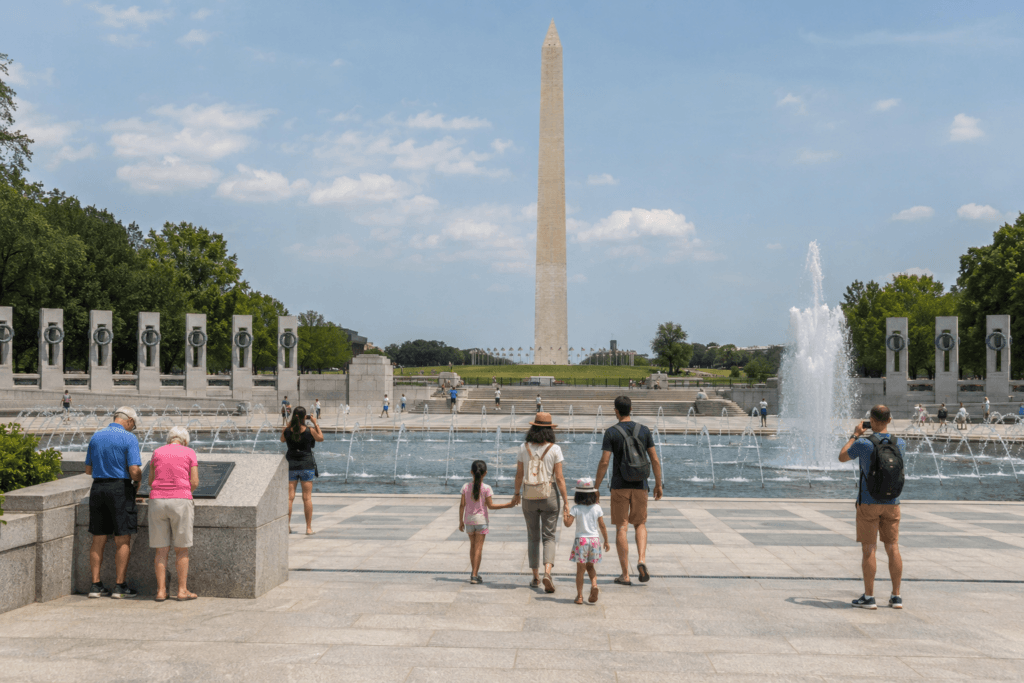
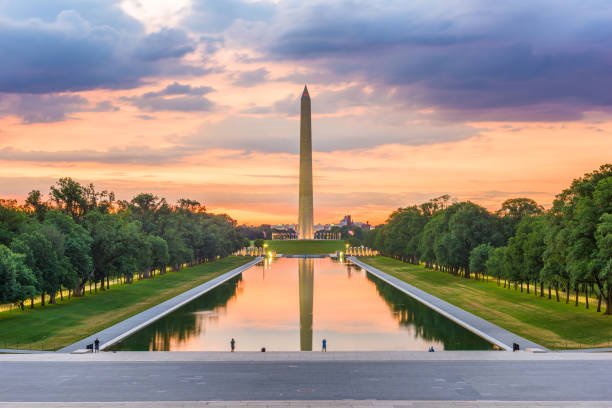
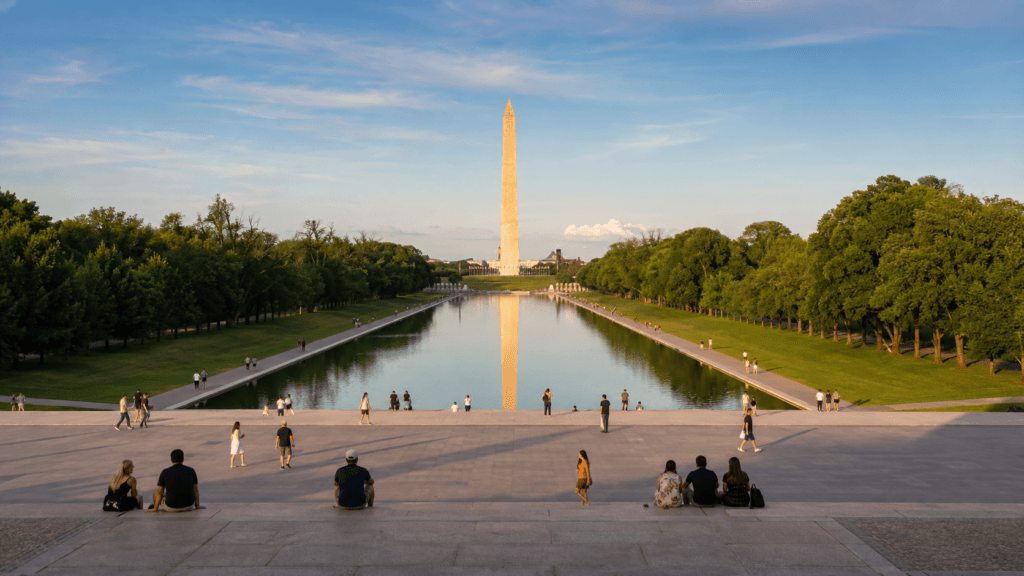
For most first-time visitors, the National Mall is the natural place to begin. It stretches from the U.S. Capitol toward the Lincoln Memorial, with museums, memorials, lawns, and iconic views along the way. The grounds of National Mall and Memorial Parks are open 24 hours, so an early-morning walk or an evening visit is easy to fit into almost any itinerary.
The most important stops include:
- Lincoln Memorial: Walk up the steps, stand beside the 19-foot seated Lincoln, and look east across the Reflecting Pool.
- Vietnam Veterans Memorial: A quiet, deeply personal memorial where more than 58,000 names appear on the polished black-granite wall.
- Korean War Veterans Memorial: Nineteen stainless-steel figures move through a symbolic landscape near the Lincoln Memorial.
- World War II Memorial: A spacious fountain plaza between the Lincoln Memorial and Washington Monument.
- Martin Luther King, Jr. Memorial: The Stone of Hope faces the Tidal Basin and is especially striking near sunrise and sunset.
- Franklin Delano Roosevelt Memorial: Four outdoor rooms tell the story of FDR’s presidency through sculpture, water, and quotations.
- Thomas Jefferson Memorial: One of the city’s best Tidal Basin views, especially in spring.
- Washington Monument: The city’s defining obelisk and its highest public viewpoint.
Walking the Mall sounds simple on a map, but the distances add up quickly. Heat, humidity, security closures, and tired feet can turn a relaxed plan into a rushed day. Among the most useful things to do in Washington DC on your first morning is a small-group guided E-Cart tour of the monuments. It gives you the geography of the city, includes time for photos, and makes the rest of your visit easier to plan.
The Washington Monument grounds are free, but going inside requires timed entry. The National Park Service explains the current rules on its official fees and passes page. If you prefer to have the timing arranged in advance, you can also use a Washington Monument reserved-entry experience. Every visitor still completes the required security screening.
Explore the best free things to do in Washington DC
Washington is unusually generous to travelers on a budget. Many of the city’s most meaningful experiences cost nothing, which means you can save your budget for food, transportation, or one carefully chosen guided experience.
The best free things to do in Washington DC include:
- Walking through the monuments and memorials of the National Mall.
- Visiting Smithsonian museums and the National Gallery of Art.
- Touring the U.S. Capitol with a free reservation.
- Entering the Library of Congress with a free timed pass.
- Exploring the U.S. Botanic Garden beside the Capitol.
- Walking the Tidal Basin or the C&O Canal towpath.
- Visiting the Smithsonian’s National Zoo with a free entry pass.
- Checking the Kennedy Center’s schedule for free Millennium Stage performances on select days.
“Free” does not always mean “walk in whenever you like.” Some attractions use free timed-entry passes to manage capacity. Reserve important stops before your trip, then leave a little open space in your schedule for discoveries.
Choose two Smithsonian museums—not six
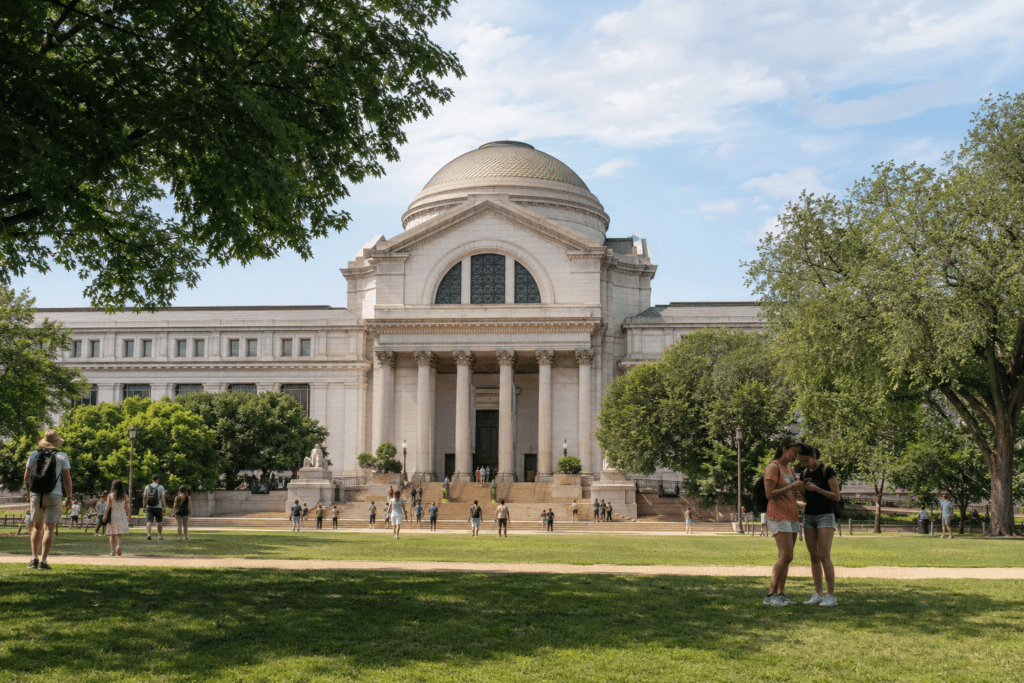
The Smithsonian is one of the main reasons the list of things to do in Washington DC feels endless. Admission is free at Smithsonian museums, but several popular locations require free passes. Check the Smithsonian’s official museum directory before your visit because hours and entry rules can change.
For a first trip, choose museums based on your interests:
- National Air and Space Museum: Best for aviation, spaceflight, and families. Free timed-entry passes are currently required, so use the museum’s official visitor page.
- National Museum of Natural History: Dinosaurs, gems, the Hope Diamond, and the Ocean Hall. Admission is free and general-entry tickets are not normally required.
- National Museum of American History: Home to the Star-Spangled Banner, transportation exhibits, and objects from American popular culture.
- National Museum of African American History and Culture: A powerful, multilayered museum that deserves several hours. Free timed-entry passes are required; review the official planning information.
- National Gallery of Art: Not part of the Smithsonian, but also free. Its West Building, East Building, and Sculpture Garden offer very different experiences.
Do not turn museum-going into an endurance test. Two museums in one day is usually enough. After several hours indoors, a slow walk, a meal, or a short tour will feel much better than racing through a third collection.
Among all the things to do in Washington DC, the museums are where travelers most often overplan. Choosing fewer galleries usually leads to a richer visit and leaves enough energy for the city outside.
If you want a paid museum with immersive exhibits, the Museum of the Bible is close to the Mall and Capitol Hill. The International Spy Museum and Planet Word are other popular choices for visitors who enjoy interactive displays.
See Capitol Hill and the Library of Congress
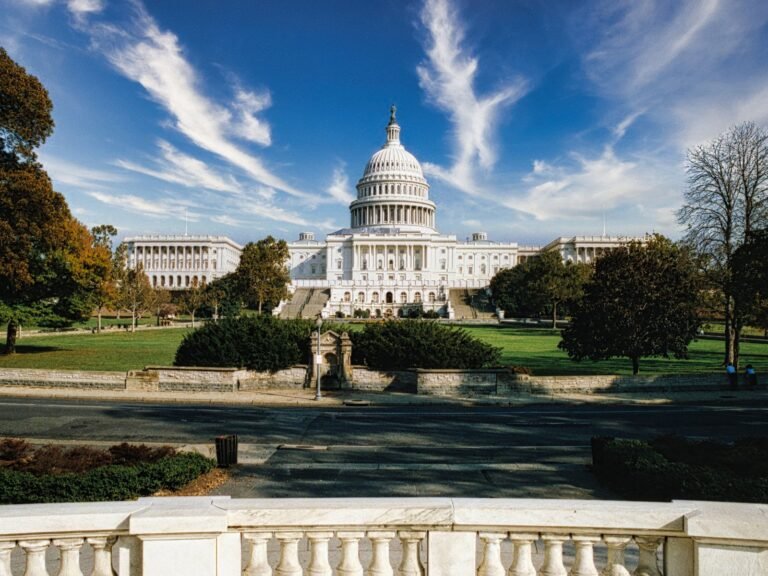
The western end of the Mall has memorials; the eastern end has the institutions where much of the country’s political history continues to unfold. Touring Capitol Hill is one of the most rewarding things to do in Washington DC, but it works best when you understand the entry requirements.
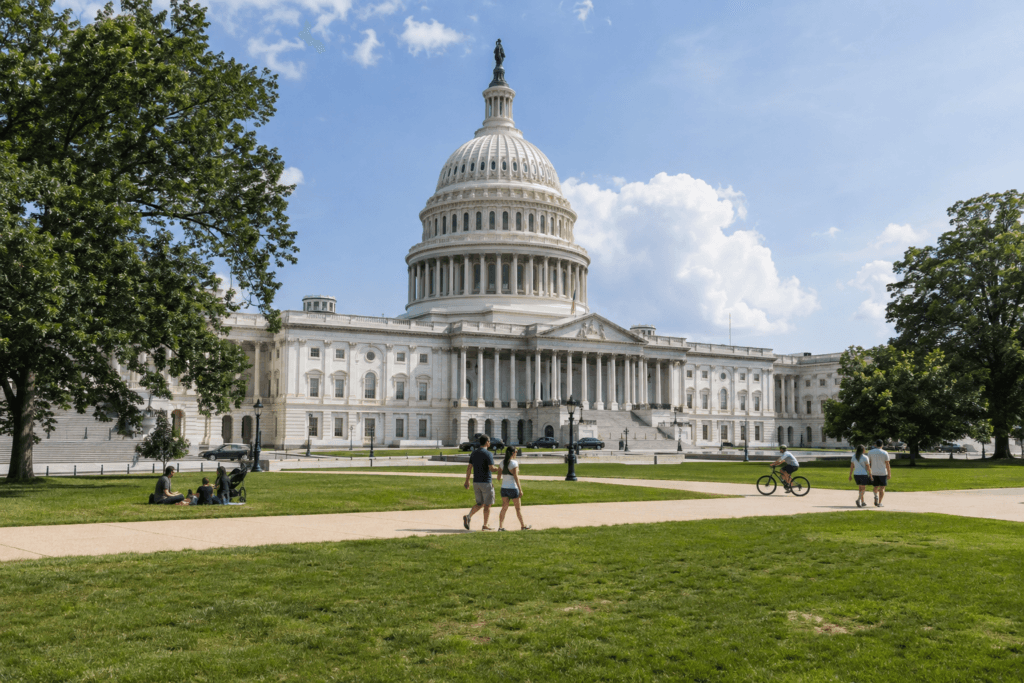
Tours of the U.S. Capitol are free. Reservations are recommended, and the official Capitol Visitor Center booking page is the best place to check availability. The standard route may include the Crypt, Rotunda, and National Statuary Hall, although access can change because the Capitol is a working building.
Across the street, the Library of Congress is worth visiting even if you never open a book. The Great Hall of the Thomas Jefferson Building is one of the most beautiful interiors in Washington. Free timed-entry passes are required, and the Library publishes current hours and policies on its official visitor page.
You can organize both reservations yourself. If you would rather focus on the stories and architecture, the Capitol Hill and Library of Congress walking tour combines local context with planned entry.
Go beyond the Mall for local things to do in Washington DC
The Mall deserves attention, but it is not the whole city. Some of the most enjoyable things to do in Washington DChappen in neighborhoods where people live, shop, meet friends, and spend their weekends.
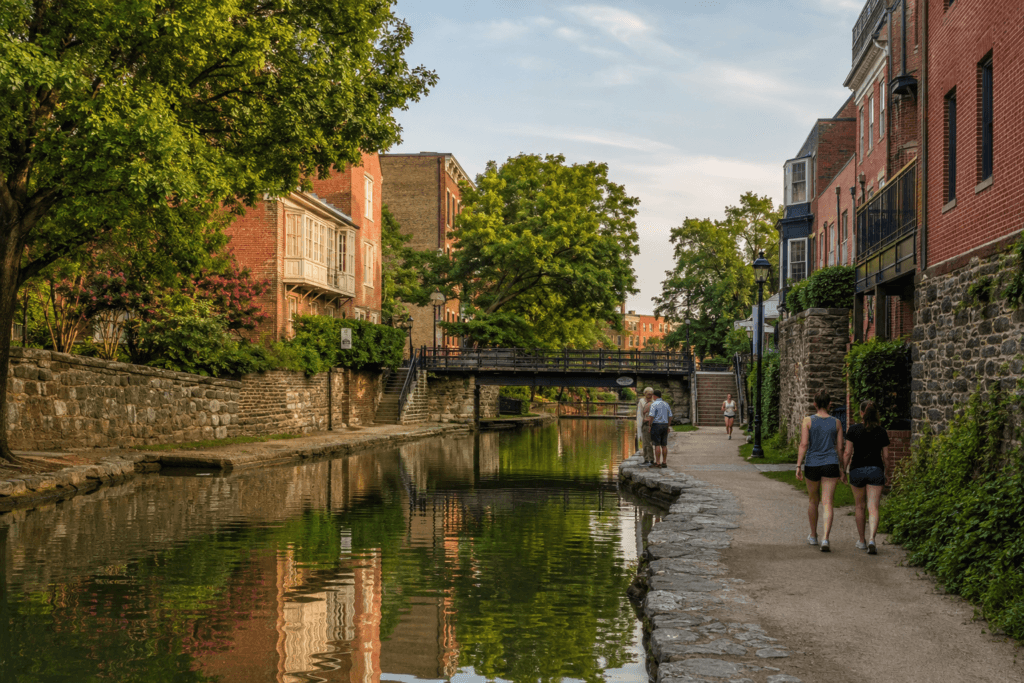
Georgetown
Georgetown feels older and more intimate than downtown Washington. Walk beside the C&O Canal, browse M Street and Wisconsin Avenue, admire Federal and Victorian homes, and continue to the waterfront for Potomac views. Because Georgetown has no Metrorail station, arrive by bus, rideshare, bike, or a longer walk from Foggy Bottom.
If your list of things to do in Washington DC feels dominated by museums and memorials, Georgetown provides an easy change of atmosphere without requiring a full day trip.
Travelers who enjoy stories hidden behind old façades can join a historic Georgetown walking tour before exploring the shops and waterfront independently.
The Wharf
The Wharf is an easy choice for waterfront dining, live music, sunset walks, and boat departures. It feels livelier in the evening, making it a useful bridge between a museum day and nighttime plans.
Dupont Circle and Embassy Row
Come here for bookstores, cafés, historic mansions, and a more residential side of the city. The Phillips Collection is nearby, while Massachusetts Avenue offers one of Washington’s most interesting architecture walks.
U Street and Shaw
These connected neighborhoods are central to Washington’s Black cultural history and music scene. Look for independent restaurants, murals, theaters, and live performances rather than treating the area as a single landmark to check off.
Eastern Market and Capitol Hill
Eastern Market is a relaxed weekend stop for food, local art, and people-watching. Pair it with the row houses of Capitol Hill or a walk along Barracks Row.
Get a different view from the water and the parks
After a day of marble buildings, water and greenery change the pace. A Potomac monuments sightseeing cruise offers a breezier view of the waterfront and pairs well with an evening at the Wharf or Georgetown.
For outdoor things to do in Washington DC, consider the Tidal Basin, Constitution Gardens, Theodore Roosevelt Island, or Rock Creek Park. Rock Creek has miles of trails and picnic areas that feel far removed from the city grid. The National Park Service’s Rock Creek guide is useful for current activities and conditions.
The Smithsonian’s National Zoo is another strong choice for families and animal lovers. Admission is free, but free entry passes are required. Because the grounds are hilly, wear comfortable shoes and allow more time than the map suggests.
Experience the best things to do in Washington DC at night
Washington changes character after sunset. The daytime crowds thin, summer temperatures ease, and the monuments become more dramatic under carefully designed lighting. Seeing the Lincoln, World War II, Jefferson, and Martin Luther King, Jr. memorials after dark belongs near the top of any list of things to do in Washington DC.
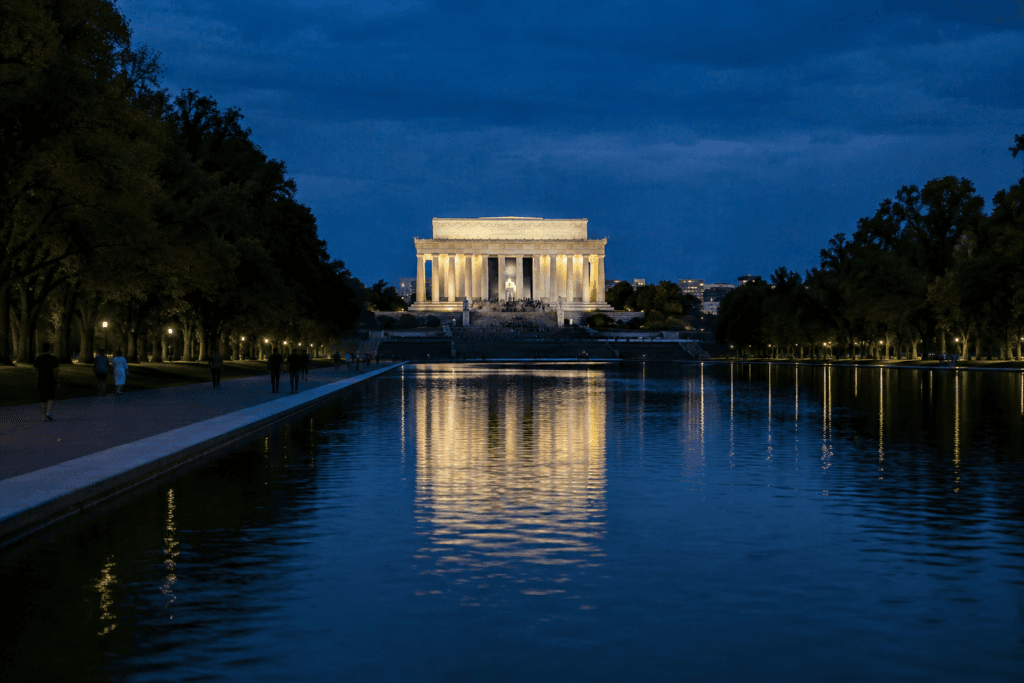
You can visit independently, but transportation between the memorials is useful at the end of a long day. A moonlight monuments E-Cart tour combines illuminated views with photo stops and live storytelling. An open-air monuments touris another practical option for families and small groups.
Beyond the monuments, look at the Wharf, U Street, 14th Street, Georgetown, and the Kennedy Center. Free Millennium Stage events take place on select days rather than automatically every evening, so check the official performance calendarbefore you go.
Find family things to do in Washington DC
Many family things to do in Washington DC are both educational and genuinely fun. The trick is to alternate high-focus museums with open spaces and shorter activities.
A realistic family day might include the Air and Space Museum in the morning, lunch and lawn time on the Mall, then a monument tour with several photo stops. Natural History is excellent for younger children, while older kids and teenagers may prefer the International Spy Museum, Planet Word, or a nighttime monument ride.
The National Zoo can fill half a day, but remember that it is not next to the Mall. Build the schedule around its location rather than trying to squeeze it between downtown attractions. In hot weather, keep outdoor stops for morning or evening and use the middle of the day for air-conditioned museums.
Look for seasonal and unusual things to do in Washington DC
Every season changes the city’s rhythm:
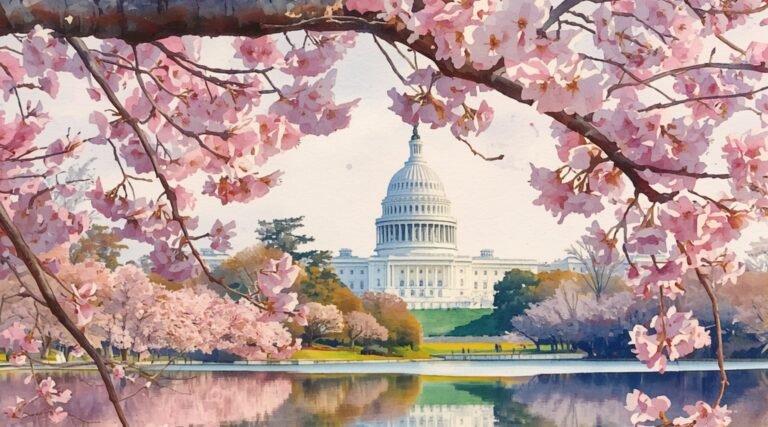
- Spring: Cherry blossoms around the Tidal Basin, garden walks, and some of the year’s largest crowds.
- Summer: Long daylight, outdoor movies and concerts, river activities, and high heat and humidity.
- Fall: Comfortable walking weather, changing leaves in Rock Creek Park, and a calmer pace after summer travel.
- Winter: Holiday displays, seasonal markets, ice skating, and shorter museum lines outside holiday weeks.
For events tied to your exact dates, use the Destination DC events calendar. Event schedules change too often to rely on an undated blog list. Build your day around one current event, then add the year-round things to do in Washington DCthat are nearby.
Visitors who want something less familiar can explore the Lincoln Memorial’s newly accessible lower-level exhibits. Timed entry is required, and the National Park Service explains the free and advance-reservation options. If you prefer a concierge option paired with a digital guidebook, review the Lincoln Memorial Undercroft entry experience.
Use these simple Washington DC itineraries
If you have one day
Start with the National Mall and the major western memorials. Visit one Smithsonian museum around midday, continue to Capitol Hill in the afternoon, and return to the illuminated monuments after dinner. A short guided tour can help you cover more of the essential things to do in Washington DC without spending the whole day navigating.
If you have a weekend
On day one, combine a monument route with one or two museums and an evening tour. On day two, visit the Capitol and Library of Congress, then spend the afternoon in Georgetown or at the Wharf. This balance gives you history, culture, and neighborhood time without making every hour feel scheduled.
If you have three days
Use the two-day plan, then add the National Zoo, a deeper museum visit, a Potomac cruise, or Rock Creek Park. You could also take a half-day trip to Old Town Alexandria or Mount Vernon. Three days are enough to sample the major things to do in Washington DC while leaving room for a long lunch or an unexpected stop.
Practical tips that make a DC trip easier
- Reserve the hard-to-get entries first. Washington Monument, Air and Space Museum, NMAAHC, Library of Congress, Capitol, and Zoo rules are not identical. Check each official site.
- Do not underestimate the walking. Attractions that look adjacent on a map can be 15 to 30 minutes apart on foot.
- Use Metro strategically. Metrorail is helpful for crossing neighborhoods, but it does not replace walking within the National Mall. The official WMATA visitor guide explains fares, passes, and payment options.
- Plan for security. Government buildings and some museums screen visitors. Carrying fewer bags usually makes entry easier.
- Check the weather twice. Summers can be hot and humid; thunderstorms can change outdoor plans quickly. Winter wind on the Mall can feel colder than the forecast suggests.
- Leave one unscheduled block. The best things to do in Washington DC are not always the ones you planned months ahead. A temporary exhibition, neighborhood market, or ranger program may become the highlight of the trip.
Grouping nearby things to do in Washington DC is the simplest way to save time. Plan one day around the western Mall, another around Capitol Hill, and a separate block for Georgetown, the Zoo, or another outlying neighborhood.
When a guided tour is worth it
You do not need a tour for every attraction. Museums are enjoyable at your own pace, and many neighborhoods reward aimless wandering. A guide becomes especially valuable when your time is limited, the sites are spread out, or the history is easy to see but difficult to understand without context.
The right tour should connect the things to do in Washington DC that already matter to you; it should not turn the city into a rushed checklist.
For first-time visitors, taking a tour near the beginning of the trip can be more useful than saving it for the last day. You learn the layout, hear the stories behind the memorials, and discover which places you want to revisit. Browse the full collection of Washington DC guided tours to compare E-Cart, open-air vehicle, walking, river, and reserved-entry experiences.
Frequently asked questions
What are the top five things to do in Washington DC?
For a first visit, prioritize the National Mall monuments, one Smithsonian museum, the U.S. Capitol and Library of Congress, Georgetown or the Wharf, and the illuminated memorials at night. Those experiences give you a strong mix of history, culture, neighborhoods, and classic city views.
What are the best free things to do in Washington DC?
The National Mall memorials, Smithsonian museums, National Gallery of Art, U.S. Capitol tour, Library of Congress, U.S. Botanic Garden, and National Zoo are leading free choices. Some require advance or same-day passes even though admission is free.
How many days do you need in Washington DC?
Two full days cover the essential highlights at a brisk but reasonable pace. Three days are better if you want multiple museums, a neighborhood afternoon, and a river or park experience. Four or five days allow slower visits and a day trip.
What are the best things to do in Washington DC with kids?
Air and Space, Natural History, the National Zoo, interactive museums, open lawn time, and a short monument tour are reliable family choices. Avoid stacking several long museums in one day, and plan around heat, hills, and walking distance.
What are the best things to do in Washington DC at night?
Start with the illuminated memorials on the National Mall. You can also check performances at the Kennedy Center, dine at the Wharf, explore U Street or 14th Street, or take an evening monument tour when temperatures and crowds are often more comfortable.
Is Washington DC easy to explore without a car?
Yes. Most visitors are better off combining walking, Metrorail, buses, and occasional rideshares. Parking near major attractions can be limited or expensive, while the central sightseeing areas are designed to be explored on foot.
Start planning your Washington DC visit
The best trip is not the one that checks every box. It is the one that gives you enough time to understand what you are seeing. Choose a few essential things to do in Washington DC, group them by location, reserve the entries that matter, and protect some unscheduled time.
Whether you spend two hours on the National Mall or three days moving between museums and neighborhoods, Washington rewards curiosity. When you want local stories, easier transportation, or help connecting the landmarks into one memorable route, explore our Washington DC tours or contact us to plan a private experience.