Washington D.C. is more than just the political capital of the United States; it is the symbolic heart of the nation. The city’s skyline is defined not by skyscrapers, but by towering tributes to presidents, poignant memorials to fallen soldiers, and champions of civil rights.
For visitors, navigating the sheer volume of landmarks can be overwhelming. Most of these iconic structures are located on or near the National Mall, a two-mile stretch of parkland that serves as America’s front yard.
This guide will help you plan an efficient, meaningful, and awe-inspiring tour of Washington DC’s most essential monuments.
Planning Your Visit: Practical Tips
Before you lace up your walking shoes, here are a few logistical tips to ensure a smooth experience.
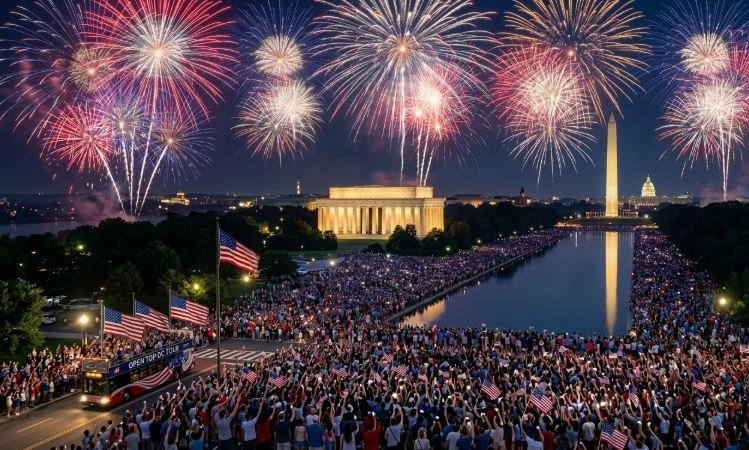
- Best Time of Day: The monuments are open 24 hours a day. For the best photos and fewest crowds, visit early in the morning (sunrise is magical) or late in the evening when they are beautifully illuminated.
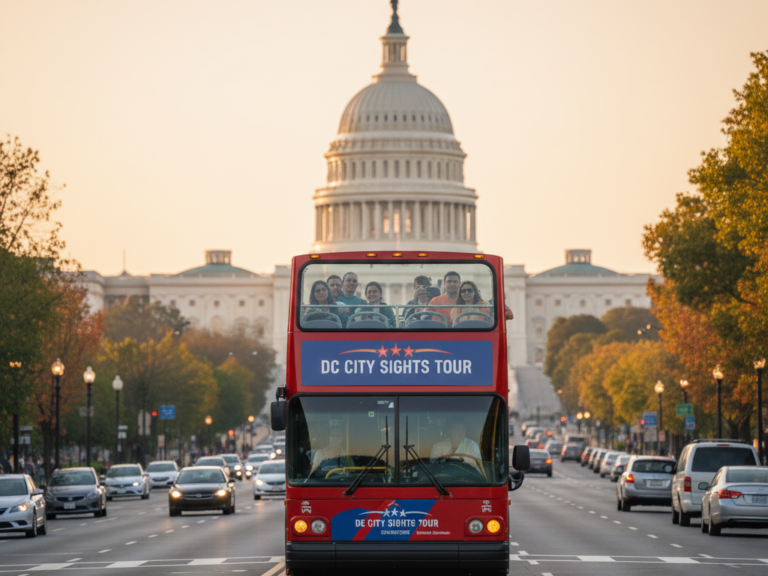
- Getting Around: The National Mall is larger than it looks. While walking is the best way to see everything, be prepared for several miles of trekking. The DC Circulator bus (National Mall route) is a convenient, low-cost option to hop between distant sites. Capital Bikeshare is also popular.
- Facilities: Restrooms and water fountains are located near most major memorials, including the Lincoln, Jefferson, and WWII memorials.
- Cost: All the memorials on the National Mall are completely free to visit.
The Icons: The “Big Three” Presidential Memorials
These three massive structures define the landscape of the capital and are essential stops on any tour.
1. The Washington Monument
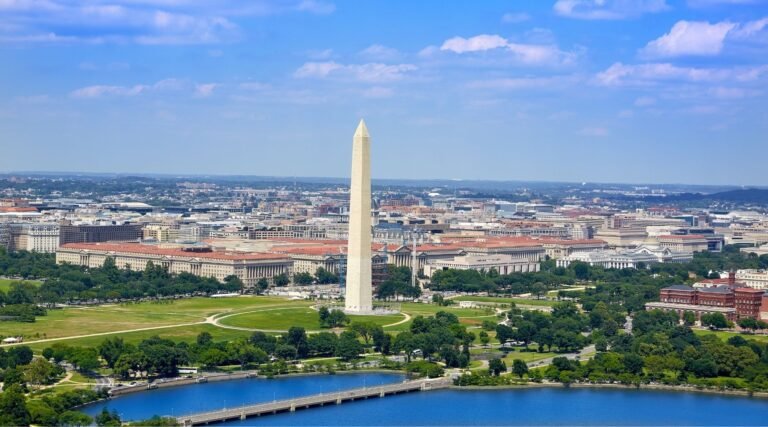
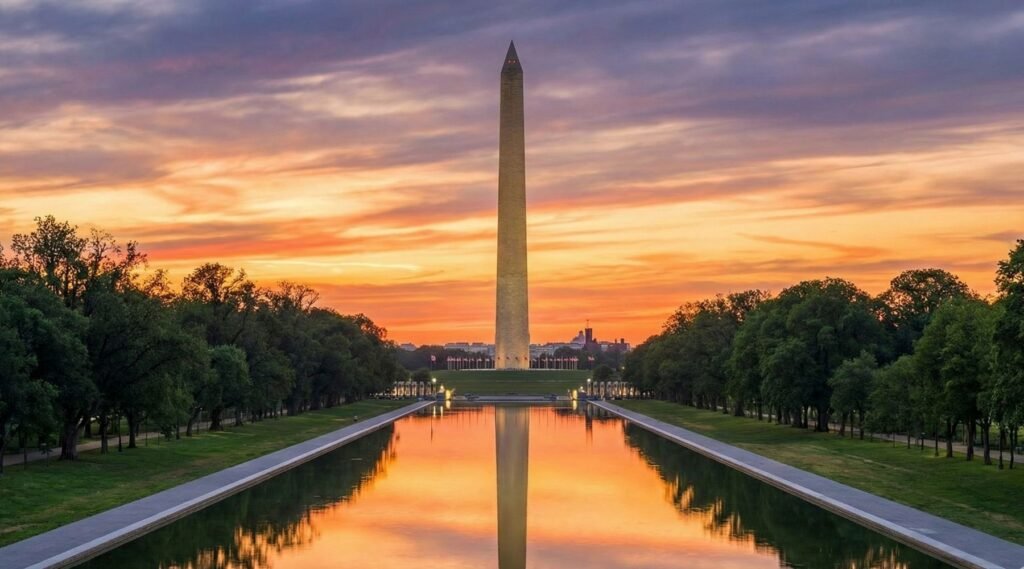
It is the centerpiece of the National Mall and the defining feature of the DC skyline. Dedicated to the first U.S. president, George Washington, this 555-foot marble obelisk is the world’s tallest freestanding stone structure.
Visitor Tip: While admiring it from the ground is mandatory, going to the top offers the best views in the city. Tickets are required and are released daily online at 10 a.m. (they sell out in seconds, so be ready!).
2. The Lincoln Memorial
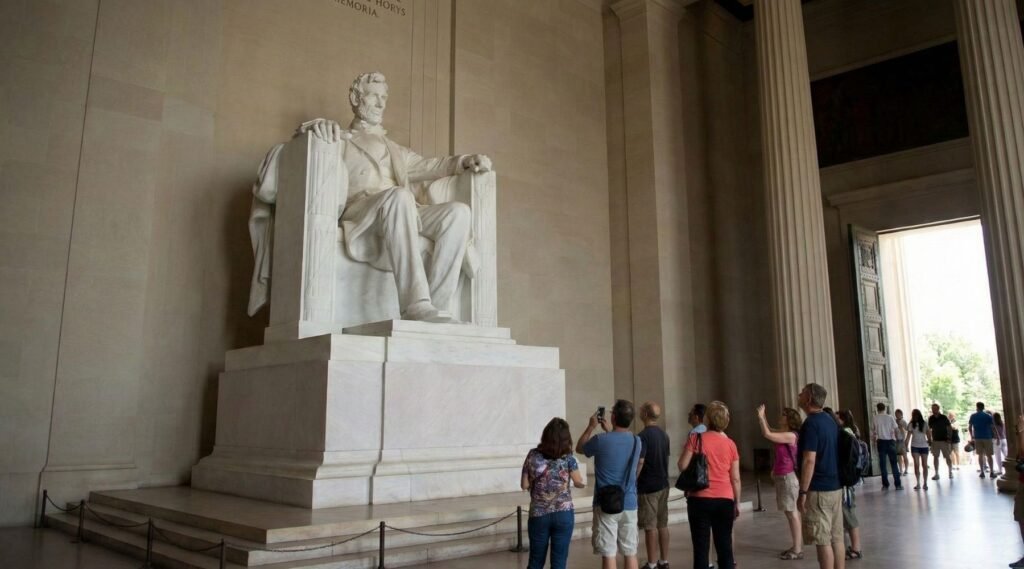
Located at the far western end of the National Mall, the Lincoln Memorial is perhaps the most emotionally resonant spot in Washington. The Greek revival temple houses a massive, seated statue of Abraham Lincoln, the 16th president who preserved the Union during the Civil War.
Standing on the steps where Martin Luther King Jr. delivered his “I Have a Dream” speech, looking out over the Reflecting Pool toward the Washington Monument, is a quintessential American experience. Be sure to read Lincoln’s Gettysburg Address and Second Inaugural Address inscribed on the chamber walls.
3. The Thomas Jefferson Memorial
Situated in a beautiful spot on the Tidal Basin, away from the main axis of the Mall, is the Pantheon-inspired tribute to the author of the Declaration of Independence.
Inside the open-air rotunda stands a 19-foot bronze statue of Jefferson. This memorial is particularly stunning in the spring during the National Cherry Blossom Festival, as it is surrounded by blooming Japanese cherry trees. It’s slightly less crowded than Lincoln’s memorial and offers a peaceful setting for reflection.
Places of Reflection: The War Memorials
Located mostly between the Washington Monument and the Lincoln Memorial are the solemn tributes to those who served in America’s 20th-century conflicts.
The Vietnam Veterans Memorial
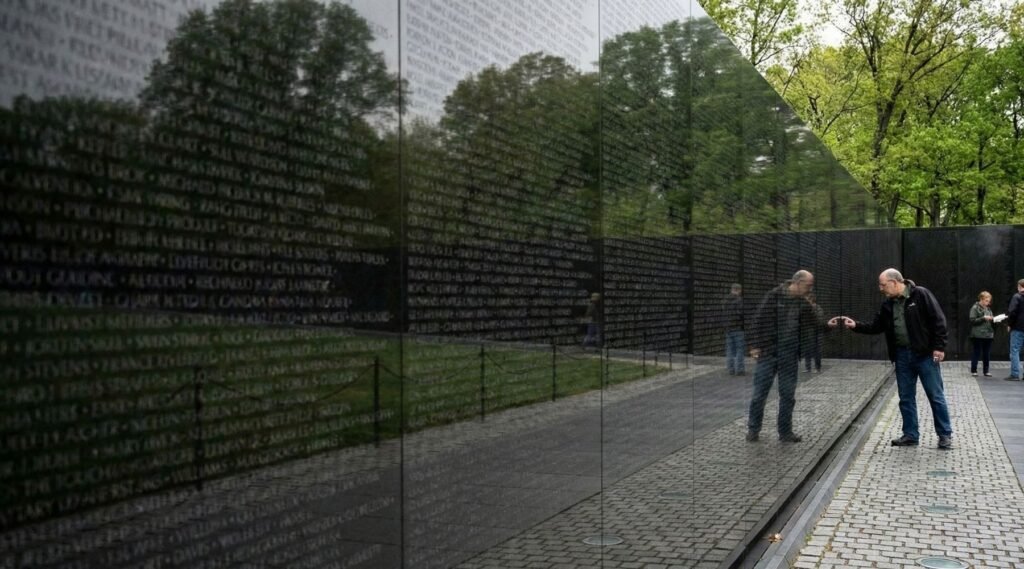
Often just called “The Wall,” this is one of the most powerful war memorials in the world. Designed by Maya Lin, it consists of two polished black granite walls sunken into the ground, inscribed with the names of more than 58,000 Americans who died or went missing in the Vietnam War.
The highly reflective surface allows visitors to see themselves while reading the names, bridging the gap between the past and present. It is a place of quiet reverence; visitors often leave flowers, letters, or mementos at the base of the panels.
The World War II Memorial
A grand plaza located at the eastern end of the Reflecting Pool, this memorial honors the 16 million who served in the armed forces of the U.S. during WWII, as well as the support from the home front.
It features 56 granite pillars symbolizing the states and territories at the time, surrounding a large central fountain. Two large triumphal arches represent the Atlantic and Pacific theaters of the war. The “Freedom Wall” on the west side is covered in 4,048 gold stars—each representing 100 American lives lost.
The Korean War Veterans Memorial
Just southeast of the Lincoln Memorial lies this haunting tribute. Its main feature is “The Column,” consisting of 19 stainless steel statues of soldiers, clad in ponchos and helmets, walking cautiously through a juniper patch representing the rugged Korean terrain.
A polished granite wall nearby reflects the statues, giving the illusion that there are 38 soldiers—representing the 38th parallel. The mural etched into the wall contains over 2,500 photographic images of support staff, from nurses to dog handlers.
Modern Immortals: Civil Rights & Leadership
The Tidal Basin area is also home to two newer, sprawling memorials dedicated to leaders who shaped modern America.
Martin Luther King, Jr. Memorial
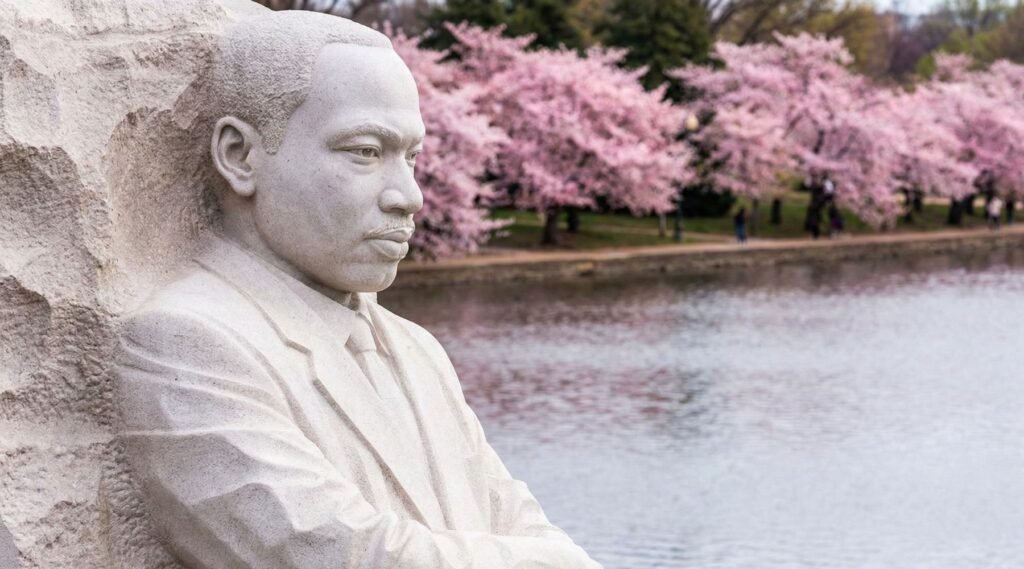
Situated on a four-acre plot on the Tidal Basin, this is the first memorial on the National Mall dedicated to an African American. The centerpiece is the “Stone of Hope,” a massive relief statue of Dr. King carved from a mountain of granite, appearing to be pushed forward from the “Mountain of Despair” behind it.
The design is inspired by a line from his “I Have a Dream” speech: “Out of the mountain of despair, a stone of hope.” The surrounding crescent-shaped wall is inscribed with 14 of his most famous quotes on justice, democracy, and hope.
Franklin Delano Roosevelt (FDR) Memorial
This sprawling, immersive memorial is dedicated to the only president elected to four terms. Unlike traditional single-structure monuments, the FDR Memorial is sequence of four outdoor “rooms,” each representing one of his terms in office, connected by pathways, walls of red South Dakota granite, and waterfalls.
As you walk through, you experience the timeline of his presidency, from the depths of the Great Depression to the challenges of World War II. It includes bronze sculptures of FDR, First Lady Eleanor Roosevelt, and even their famous dog, Fala.
Final Thoughts on Your DC Tour
A tour of the Washington DC monuments is a powerful journey through the American story—its triumphs, its struggles, and its ongoing pursuit of liberty. Whether you are a history buff or a casual traveler, these stone tributes offer an unforgettable experience that will leave you with a deeper understanding of the United States.